L'aumento delle normative ambientali continua a spingere la necessità di una gestione efficiente dell'acqua utilizzata negli impianti di semiconduttori.
By Prakash Govindan, COO of Gradiant
There is urgent need today for sustainability in water management at wafer fabrication and semiconductor manufacturing plants (or “fabs”). We are experiencing a global shortage of semiconductors that are required to control everything from automobiles to smartphones to appliances. As the semiconductor shortage persists, manufacturers are facing increasingly greater pressure to adopt sustainable and efficient practices in their water operations. Water serves a critical role in chip production, as it’s needed to rinse and clean silicon wafers as they are manufactured – and not just any water, but Ultrapure Water (UPW), which is thousands of times purer than drinking water. It takes roughly 1,400 -1,600 gallons of municipal water to make 1,000 gallons of UPW, with fabs using up to 5 million gallons daily.
At this time of unprecedented demand for semiconductors, severe droughts in major semiconductor manufacturing areas are threatening the operational continuity and expansion plans of brand owners and foundries. The intensive water consumption required by semiconductor fabs limits water availability for local households, businesses, and wildlife in the community. Further, in the major areas where fabs are located, such as Taiwan and the Western U.S., recent droughts have plagued these regions, thereby threatening the global supply chain, increasing the costs of production, and placing pressure on overall water availability.
L'aumento della scarsità d'acqua influenza le nuove tendenze tecnologiche
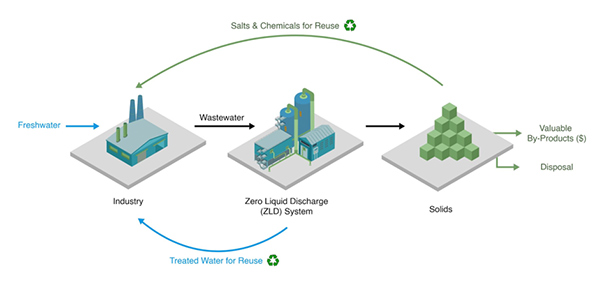
In risposta alla prolungata siccità e all'aumento della domanda di semiconduttori, i proprietari e i produttori di marchi si stanno concentrando su nuovi modi per riciclare, ridurre e riutilizzare l'acqua utilizzata nella produzione. Sono emersi nuovi progressi nel trattamento dell'acqua che consentono ai produttori di semiconduttori di recuperare e riutilizzare le acque reflue, rimuovere i contaminanti mirati e persino recuperare prodotti preziosi dai flussi di rifiuti.
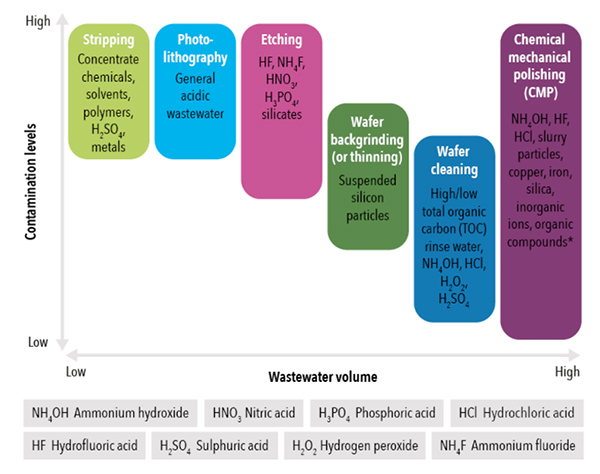
Il riutilizzo dell'acqua con misure semplici, come il raffreddamento delle apparecchiature, continua a essere ampiamente adottato per la facilità di implementazione, ma le fabbriche sono sempre più interessate a trattare e incanalare singoli flussi di acque reflue di processo, per servire come acqua di alimentazione per i sistemi UPW. Questa pratica è complessa, poiché ogni flusso di acque reflue è diverso e talvolta richiede un proprio approccio di trattamento. Se attuata di concerto con altre strategie di gestione delle acque, i produttori possono ridurre notevolmente il consumo complessivo di acqua e garantire la sostenibilità e la continuità delle operazioni di produzione e della catena di fornitura.
Pressione dei leader mondiali
Global leaders are becoming increasingly strict on water and wastewater quality and quantity as our freshwater resources are dwindling. Officials have recently announced ambitious goals to achieve a sustainable future, with a key focus to address the need for water. At the UN Climate Change Conference, better known as COP26, water was a primary focus of discussion. UN officials forecasted the world will see a 40% shortfall in water by 2030, prompting many leading brand owners from the world’s essential industries to pledge their operations will be net-water positive.
Outside of brand owners, many countries are also adopting initiatives for sustainable water management. In Asia, where most of the semiconductor manufacturing takes place, Singapore announced its Green Plan 2030 this year, to maximize the use of natural resources and reduce the amount of waste being discharged into the environment. As these initiatives and programs continue to grow and regulations related to water and wastewater management are enacted, brand owners and manufacturers are facing greater pressure to optimize their operations and minimize footprint through sustainable water practices.
Piani di espansione futuri
Il fabbisogno di semiconduttori è destinato a crescere in futuro, per soddisfare l'insaziabile desiderio di tecnologia e dispositivi elettronici nella nostra vita quotidiana. I progressi dell'innovazione nel trattamento delle acque consentono oggi alle industrie di recuperare e riutilizzare le acque reflue, rimuovere i contaminanti e recuperare prodotti preziosi dai flussi di rifiuti. Mentre le grandi fabbriche di chip si preparano ad espandersi nei prossimi anni, il trattamento avanzato dell'acqua e delle acque reflue avrà un ruolo fondamentale per soddisfare la domanda mondiale di semiconduttori.
L'aumento delle normative ambientali continua a spingere la necessità di una gestione efficiente dell'acqua utilizzata negli impianti di semiconduttori.
By Prakash Govindan, COO of Gradiant
There is urgent need today for sustainability in water management at wafer fabrication and semiconductor manufacturing plants (or “fabs”). We are experiencing a global shortage of semiconductors that are required to control everything from automobiles to smartphones to appliances. As the semiconductor shortage persists, manufacturers are facing increasingly greater pressure to adopt sustainable and efficient practices in their water operations. Water serves a critical role in chip production, as it’s needed to rinse and clean silicon wafers as they are manufactured – and not just any water, but Ultrapure Water (UPW), which is thousands of times purer than drinking water. It takes roughly 1,400 -1,600 gallons of municipal water to make 1,000 gallons of UPW, with fabs using up to 5 million gallons daily.
At this time of unprecedented demand for semiconductors, severe droughts in major semiconductor manufacturing areas are threatening the operational continuity and expansion plans of brand owners and foundries. The intensive water consumption required by semiconductor fabs limits water availability for local households, businesses, and wildlife in the community. Further, in the major areas where fabs are located, such as Taiwan and the Western U.S., recent droughts have plagued these regions, thereby threatening the global supply chain, increasing the costs of production, and placing pressure on overall water availability.
L'aumento della scarsità d'acqua influenza le nuove tendenze tecnologiche
In risposta alla prolungata siccità e all'aumento della domanda di semiconduttori, i proprietari e i produttori di marchi si stanno concentrando su nuovi modi per riciclare, ridurre e riutilizzare l'acqua utilizzata nella produzione. Sono emersi nuovi progressi nel trattamento dell'acqua che consentono ai produttori di semiconduttori di recuperare e riutilizzare le acque reflue, rimuovere i contaminanti mirati e persino recuperare prodotti preziosi dai flussi di rifiuti.
Il riutilizzo dell'acqua con misure semplici, come il raffreddamento delle apparecchiature, continua a essere ampiamente adottato per la facilità di implementazione, ma le fabbriche sono sempre più interessate a trattare e incanalare singoli flussi di acque reflue di processo, per servire come acqua di alimentazione per i sistemi UPW. Questa pratica è complessa, poiché ogni flusso di acque reflue è diverso e talvolta richiede un proprio approccio di trattamento. Se attuata di concerto con altre strategie di gestione delle acque, i produttori possono ridurre notevolmente il consumo complessivo di acqua e garantire la sostenibilità e la continuità delle operazioni di produzione e della catena di fornitura.
Pressione dei leader mondiali
Global leaders are becoming increasingly strict on water and wastewater quality and quantity as our freshwater resources are dwindling. Officials have recently announced ambitious goals to achieve a sustainable future, with a key focus to address the need for water. At the UN Climate Change Conference, better known as COP26, water was a primary focus of discussion. UN officials forecasted the world will see a 40% shortfall in water by 2030, prompting many leading brand owners from the world’s essential industries to pledge their operations will be net-water positive.
Outside of brand owners, many countries are also adopting initiatives for sustainable water management. In Asia, where most of the semiconductor manufacturing takes place, Singapore announced its Green Plan 2030 this year, to maximize the use of natural resources and reduce the amount of waste being discharged into the environment. As these initiatives and programs continue to grow and regulations related to water and wastewater management are enacted, brand owners and manufacturers are facing greater pressure to optimize their operations and minimize footprint through sustainable water practices.
Piani di espansione futuri
Il fabbisogno di semiconduttori è destinato a crescere in futuro per soddisfare l'insaziabile desiderio di tecnologia e dispositivi elettronici nella nostra vita quotidiana. I progressi dell'innovazione nel trattamento delle acque consentono oggi alle industrie di recuperare e riutilizzare le acque reflue, rimuovere i contaminanti e recuperare prodotti preziosi dai flussi di rifiuti. Mentre le grandi fabbriche di chip si preparano ad espandersi nei prossimi anni, il trattamento avanzato dell'acqua e delle acque reflue avrà un ruolo fondamentale per soddisfare la domanda mondiale di semiconduttori.